TOMGOXY-Zero
The TOMGOXY Zero project marks a pioneering step in demonstrating the potential of integrated mangrove–aquaculture systems as a scalable nature-based solution. The TOMGOXY ® system is developed by our partner Rynan, together with them and our international partner at Larive, we are piloting a site in Trà Vinh, Vietnam, where mangroves are integrated into shrimp farming operations from day one — not as an add-on, but as a core design element.
-
Partners:
-
Location:
Trà Vinh, Vietnam
-
Execution:
September 2024
By embedding restoration directly into food production, TOMGOXY Zero explores how mangroves can filter effluent, enhance biodiversity, and contribute to carbon sequestration, while maintaining farm productivity and improving long-term profitability. This project allows us to rigorously test both ecological performance and business viability in real-world conditions.
TOMGOXY Zero positions the partnership as a frontrunner in sustainable aquaculture innovation — offering a model that supports climate resilience, ecosystem recovery, and inclusive economic development.
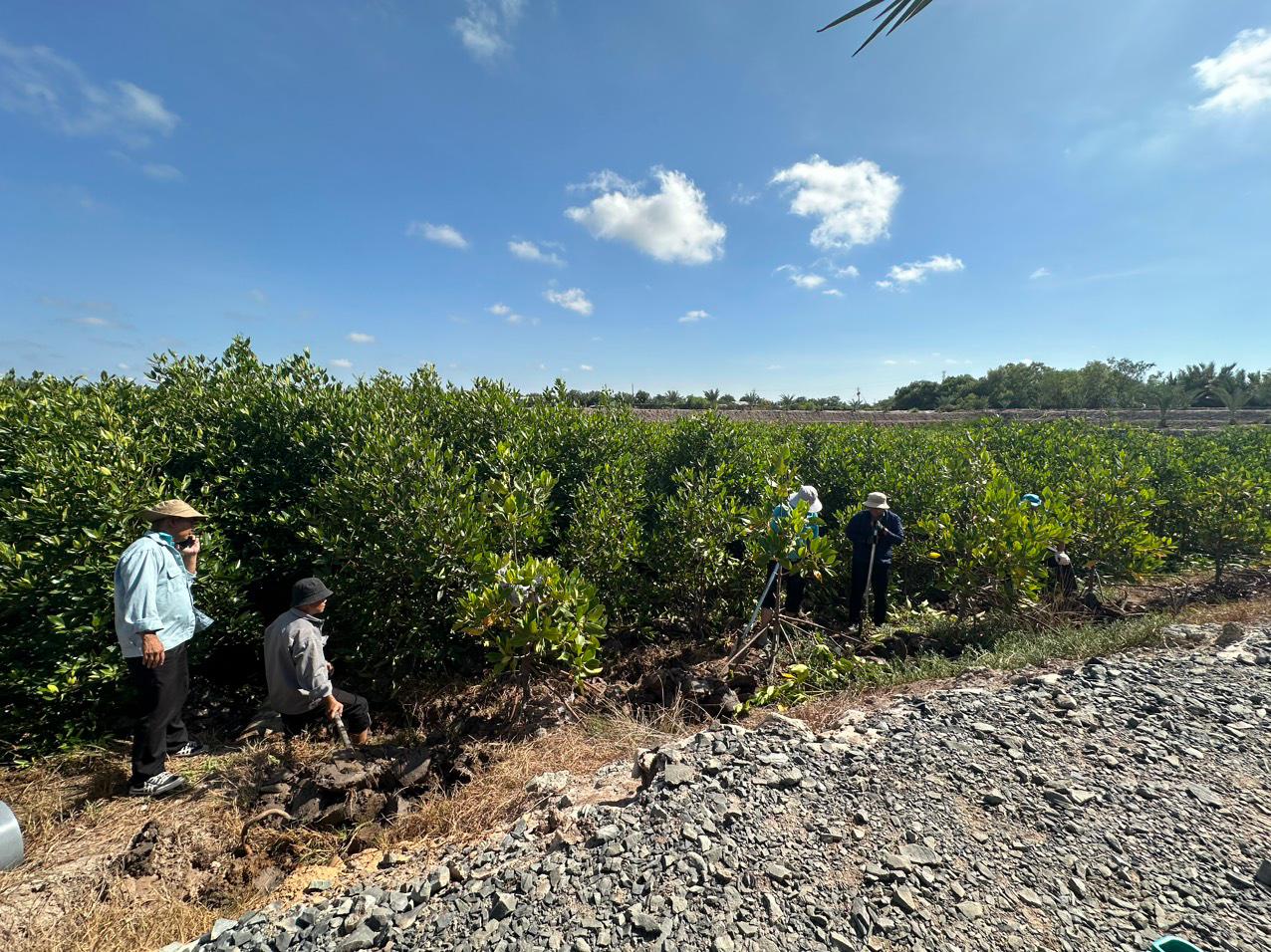
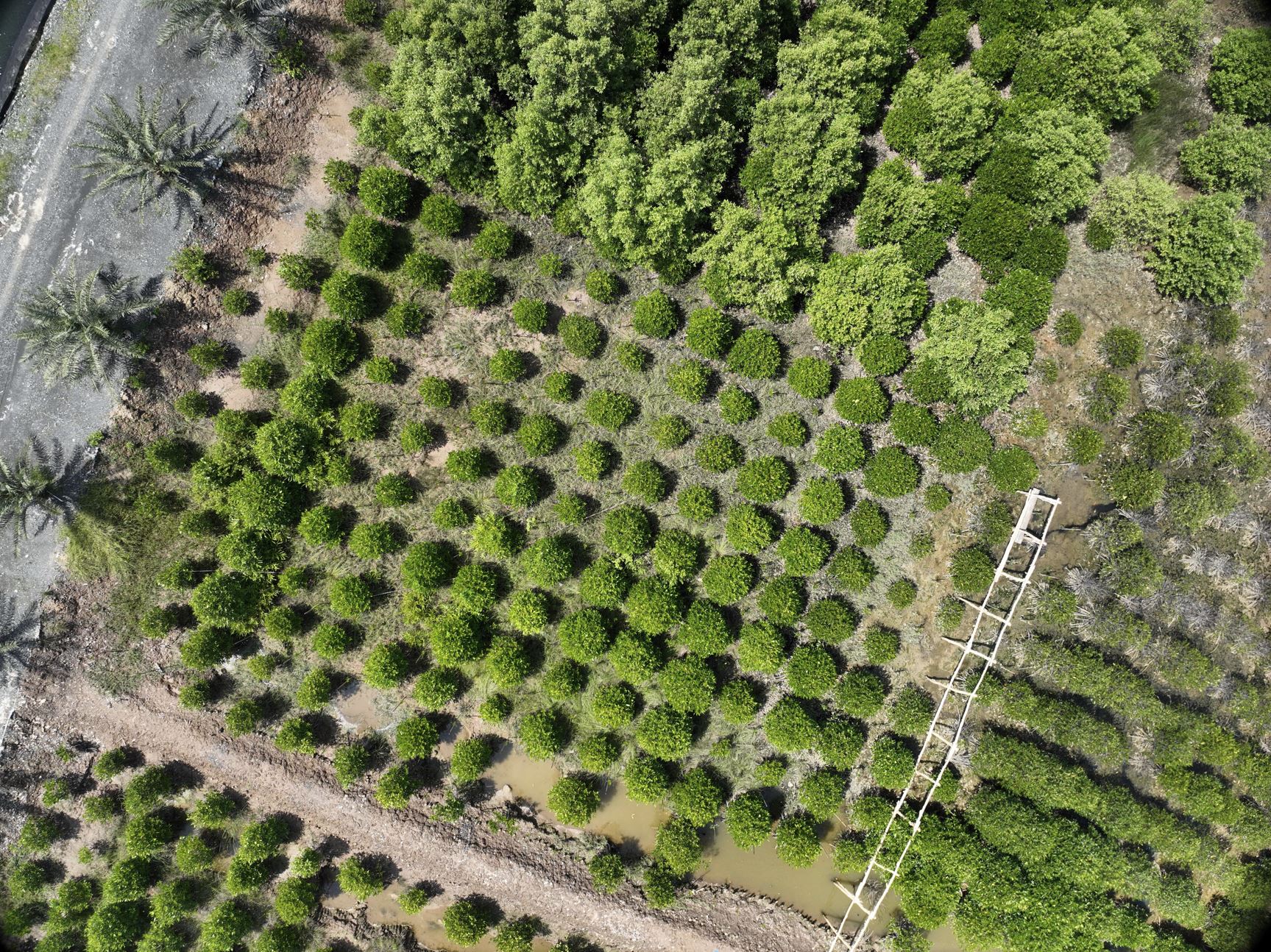
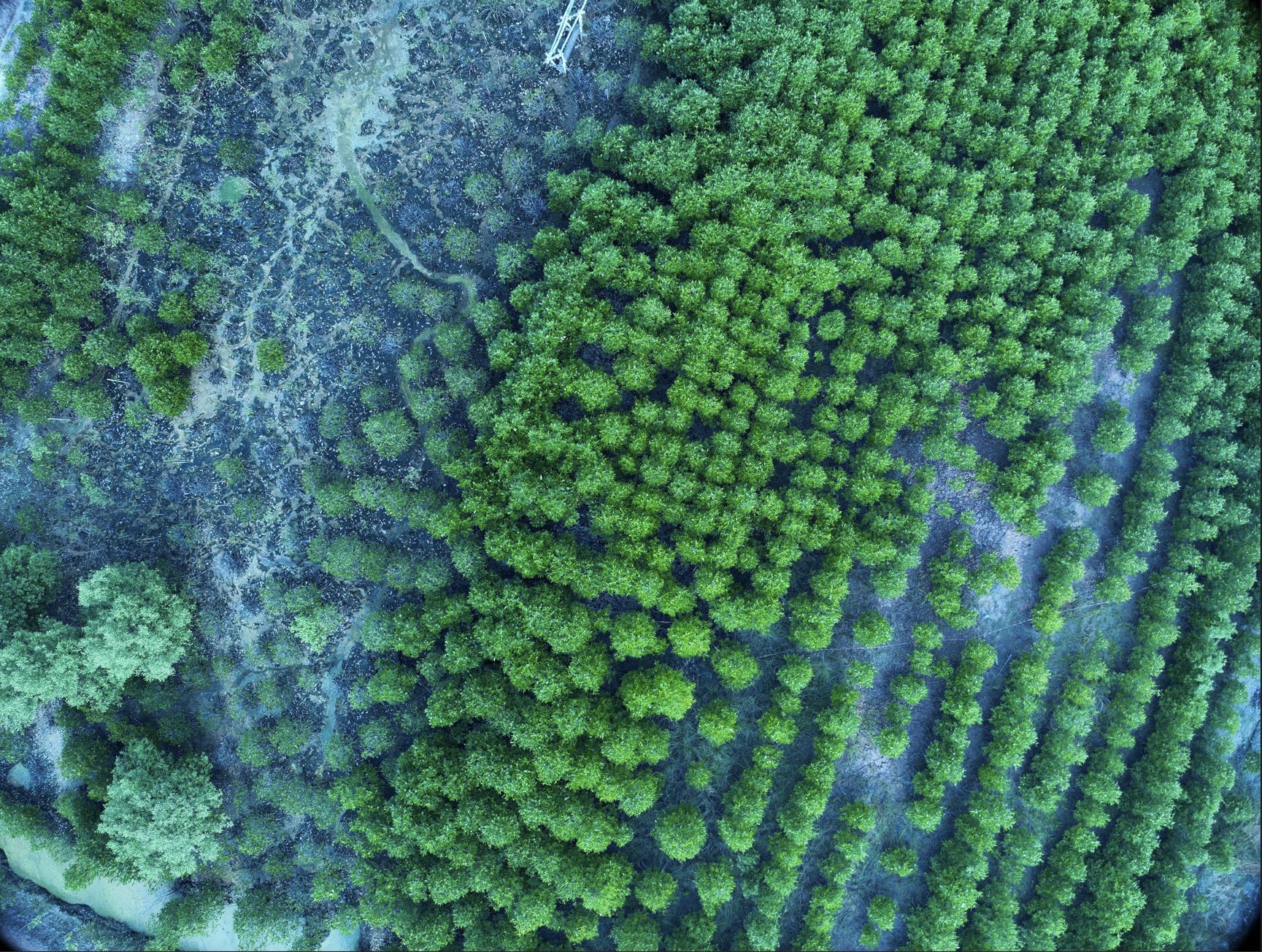
The TOMGOXY® Zero project began in 2022 and is set to scale in the coming years. Building on earlier trials, the current pilot is underway at a shrimp aquaculture site in Trà Vinh, Vietnam, where mangroves have been integrated into the farm layout from the beginning. The site is divided into separate zones for filtration, production, and mangrove restoration, allowing us to test how mangroves perform when directly embedded in aquaculture operations.
We are monitoring the growth of different mangrove species, their ability to process nutrient-rich effluent, and their effects on carbon storage, water quality, and biodiversity. In parallel, we are developing a business case that evaluates the economic and social viability of the model, including productivity, costs, and market interest in more sustainable products.
In 2025, we plan to expand the concept to a new pilot site in Sóc Trăng, increasing the number of ponds and mangrove zones. This will allow us to test the system under varying environmental and operational conditions. Monitoring will continue through 2026 to generate the data and insights needed to refine the model and prepare for broader implementation, including on private land and in large-scale coastal infrastructure projects.